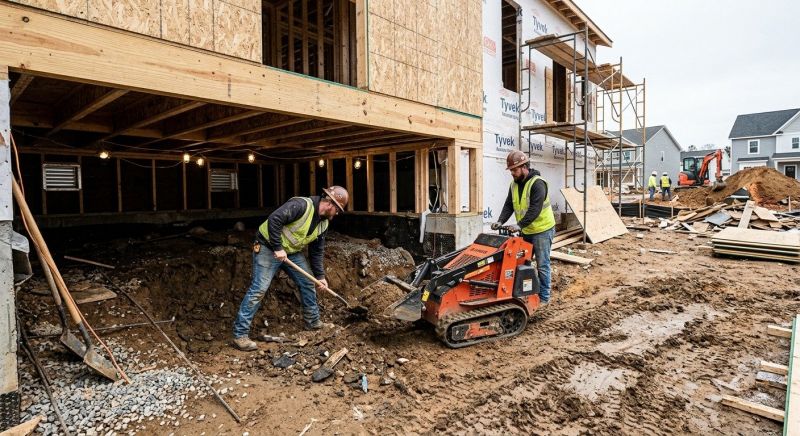
Basement Excavation in Atlanta, GA
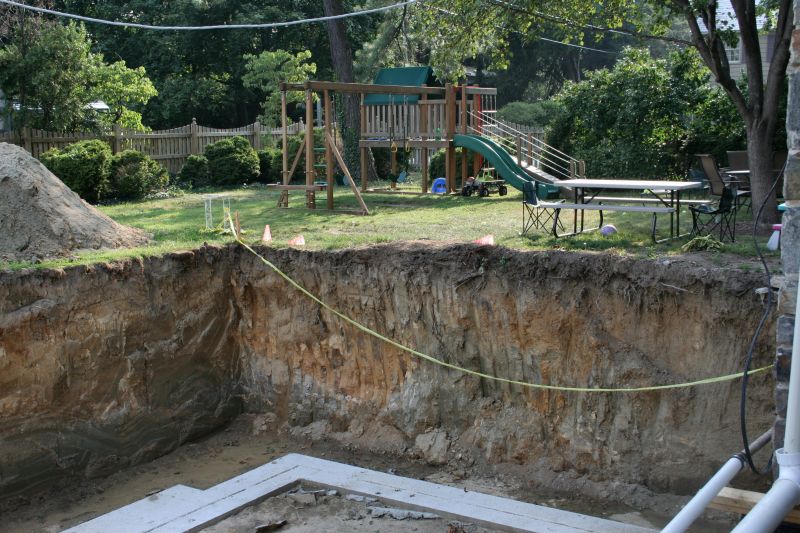
Basement excavation services involve the careful removal of soil and debris to prepare a space for foundation work, renovations, or new construction projects. This process is typically used to create a stable, level base for finishing a basement, expanding the available living space, or installing utilities such as plumbing and electrical systems. Property owners often request basement excavation when planning to add a new room, convert an existing basement into a livable area, or address issues related to flooding or moisture by improving drainage and waterproofing.
Before requesting basement excavation, homeowners should understand the scope of the project, including site accessibility, soil conditions, and any permits or regulations that may apply in their area. It’s also important to consider the impact on existing landscaping, foundation stability, and neighboring properties. Clear communication about the desired outcome and any specific concerns can help ensure the excavation process aligns with the property’s needs and future plans.
Many property owners in Atlanta, GA look into Basement Excavation for repairs, replacements, upgrades, and appearance-related improvements.
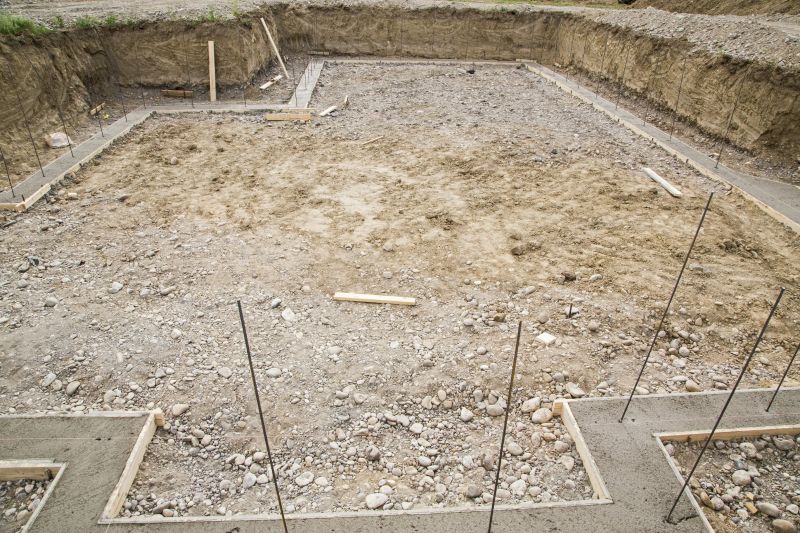
Foundation Preparation
Proper excavation ensures a stable base for new construction or renovations.
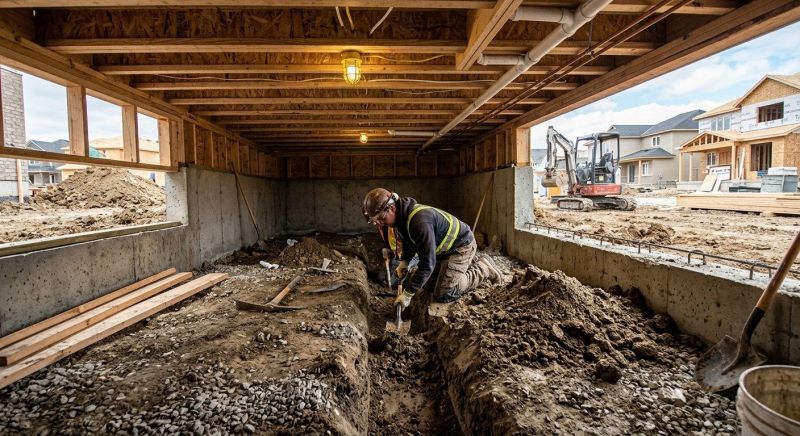
Basement Waterproofing
Excavation allows for effective sealing and moisture control in basement spaces.
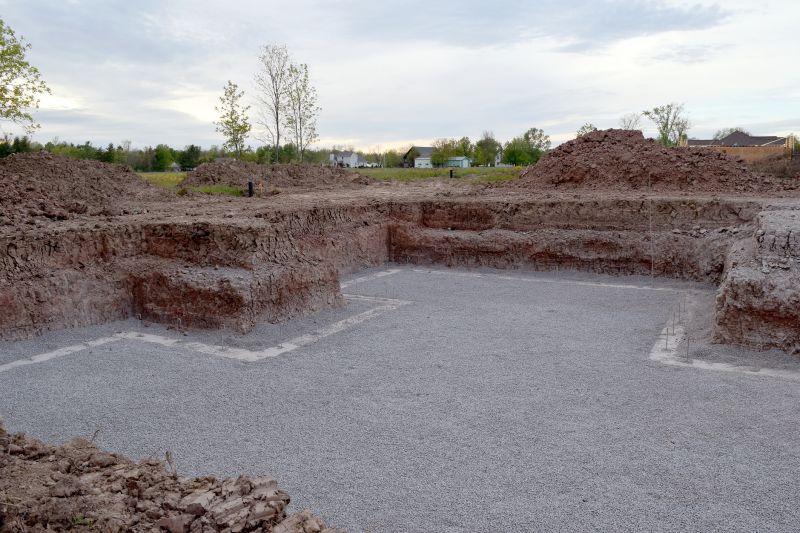
Custom Basement Designs
Excavation creates the necessary space for finishing and customizing basement areas.
Basement Excavation in Atlanta, GA

Basement excavation services involve the careful removal of soil and debris to prepare a space for foundation work, renovations, or new construction projects. This process is typically used to create a stable, level base for finishing a basement, expanding the available living space, or installing utilities such as plumbing and electrical systems. Property owners often request basement excavation when planning to add a new room, convert an existing basement into a livable area, or address issues related to flooding or moisture by improving drainage and waterproofing.
Before requesting basement excavation, homeowners should understand the scope of the project, including site accessibility, soil conditions, and any permits or regulations that may apply in their area. It’s also important to consider the impact on existing landscaping, foundation stability, and neighboring properties. Clear communication about the desired outcome and any specific concerns can help ensure the excavation process aligns with the property’s needs and future plans.
Many property owners in Atlanta, GA look into Basement Excavation for repairs, replacements, upgrades, and appearance-related improvements.
Common Basement Excavation Jobs
Basement excavation involves removing soil to prepare for foundation or remodeling projects.
Foundation digging provides a stable base for new or existing structures.
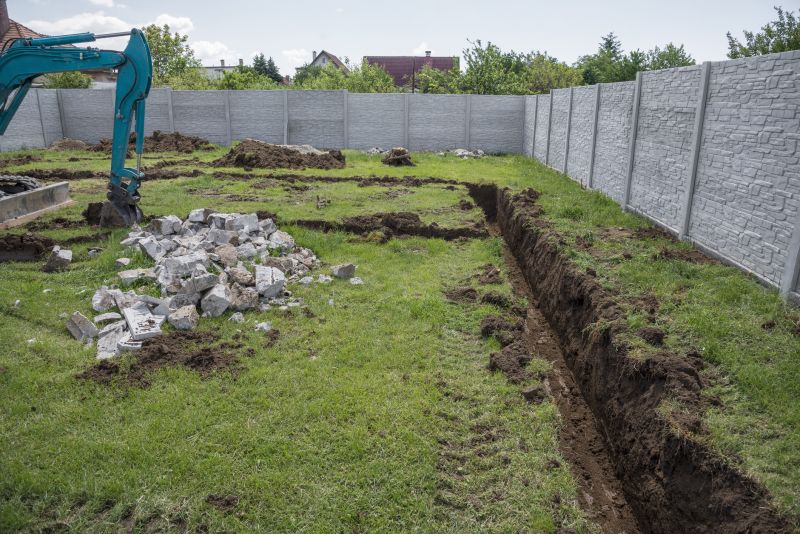
Drainage trenching helps prevent water buildup around the foundation.
Site clearance involves removing debris and obstructions before construction begins.
Structural excavation supports underpinning and foundation reinforcement efforts.
Basement waterproofing prep includes excavation to facilitate moisture protection systems.
Basement Excavation Questions
What is basement excavation used for? It prepares the space below a home for foundation repairs, new construction, or finishing projects.
Is basement excavation suitable for all types of properties? Most properties with a basement or crawl space can benefit from excavation, but site conditions vary.
What should property owners consider before excavation? Factors like soil stability, access points, and existing structures can impact the excavation process.
How does excavation impact property drainage? Proper excavation helps improve drainage around the foundation, reducing the risk of water issues.
Request Basement Excavation in Atlanta, GA
Use the quote form on this page to share the basics of your project and request more information for the type of work you need.