Palm Tree Removal in Doylestown, PA
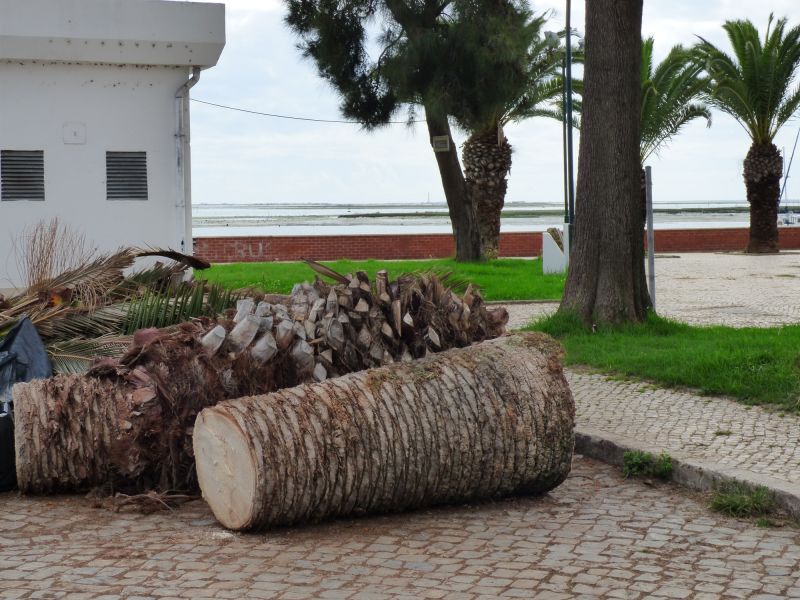
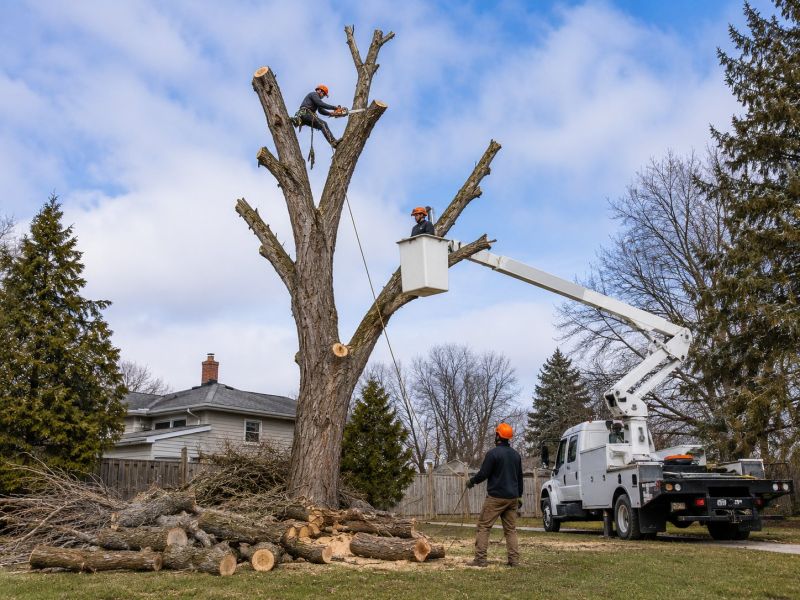
Palm tree removal services involve the safe and efficient elimination of unwanted or hazardous palm trees from residential properties. This process typically includes assessing the tree’s size, health, and location, followed by carefully cutting and removing the tree to prevent damage to surrounding structures or landscaping. Projects can range from removing dead or dying palms to clearing space for new construction or landscaping projects, ensuring that the property remains safe and visually appealing.
Homeowners often request palm tree removal when trees become overgrown, pose safety risks, or are no longer desired on the property. Before requesting this service, it’s helpful to understand the size and location of the tree, as well as any potential obstacles such as power lines or nearby structures. Proper planning and execution are essential to ensure the removal process is safe, efficient, and minimizes impact on the surrounding landscape.
Many property owners in Doylestown, PA look into Palm Tree Removal for repairs, replacements, upgrades, and appearance-related improvements.
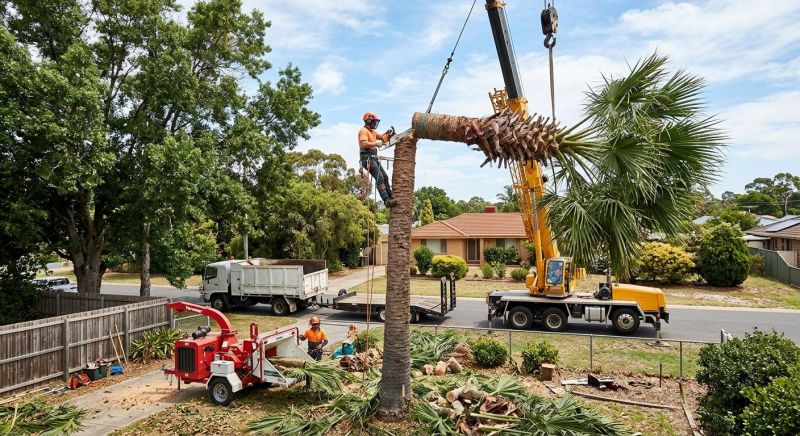
Reasons For Tree Removal
Trees may need removal due to health issues, safety concerns, or property development in doylestown, pa.
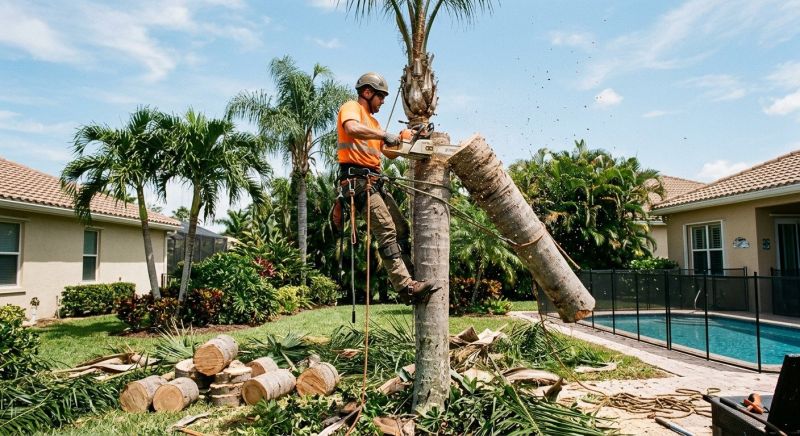
Removal Techniques
Various methods like cutting, stump grinding, and cabling are used to safely and efficiently remove palm trees.
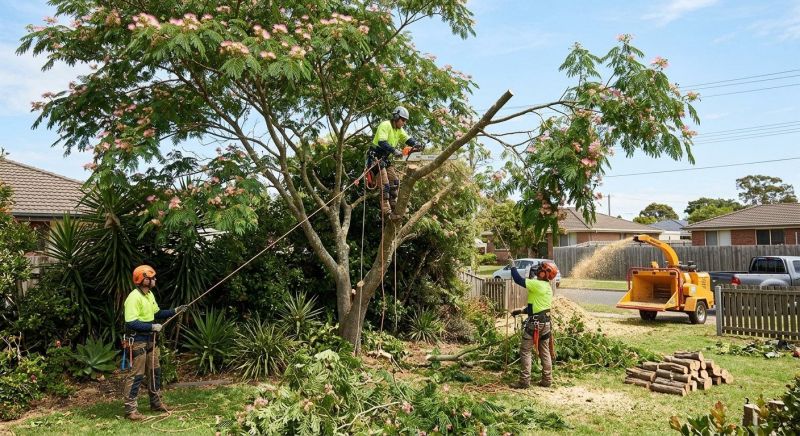
Post-Removal Cleanup
Proper cleanup includes debris removal and site restoration to maintain the property's appearance and safety.
Palm Tree Removal in Doylestown, PA

Palm tree removal services involve the safe and efficient elimination of unwanted or hazardous palm trees from residential properties. This process typically includes assessing the tree’s size, health, and location, followed by carefully cutting and removing the tree to prevent damage to surrounding structures or landscaping. Projects can range from removing dead or dying palms to clearing space for new construction or landscaping projects, ensuring that the property remains safe and visually appealing.
Homeowners often request palm tree removal when trees become overgrown, pose safety risks, or are no longer desired on the property. Before requesting this service, it’s helpful to understand the size and location of the tree, as well as any potential obstacles such as power lines or nearby structures. Proper planning and execution are essential to ensure the removal process is safe, efficient, and minimizes impact on the surrounding landscape.
Many property owners in Doylestown, PA look into Palm Tree Removal for repairs, replacements, upgrades, and appearance-related improvements.
Common Palm Tree Removal Jobs
Palm Tree Removal - Safe removal of unhealthy or damaged palms to prevent property damage.
Stump Grinding - Complete removal of leftover stumps to improve landscape appearance.
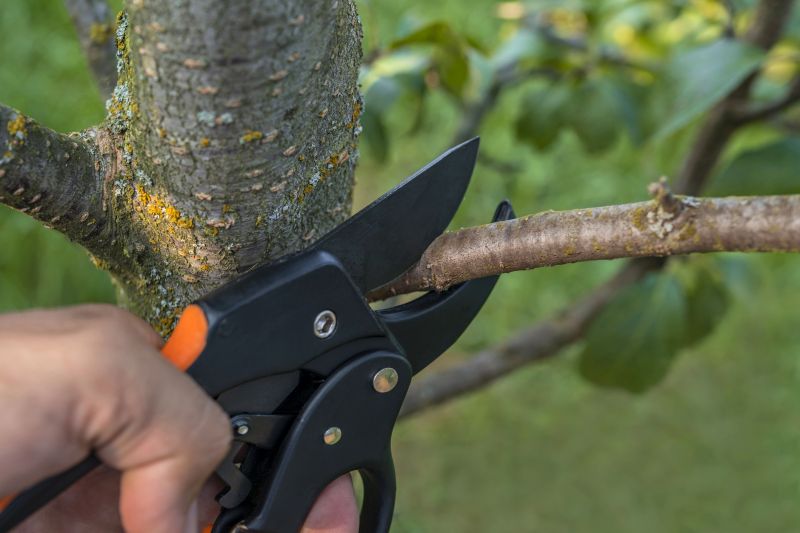
Tree Trimming - Pruning to maintain palm health and enhance aesthetic appeal.
Hazardous Tree Removal - Eliminating palms that pose risks during storms or high winds.
Selective Removal - Removing specific palms to improve sunlight and airflow on the property.
Emergency Palm Removal - Rapid response for fallen or dangerously leaning palms.
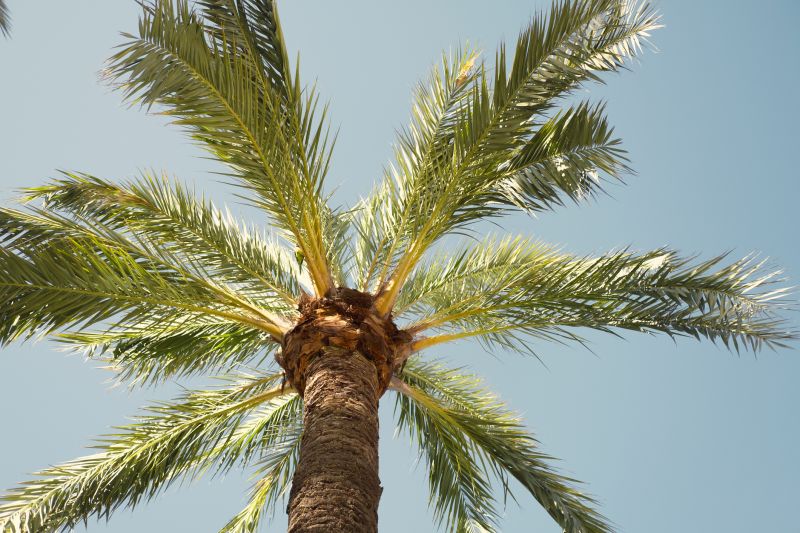
Palm Tree Removal Questions
Why remove a palm tree? Removing a palm tree may be necessary due to disease, damage, or to prevent potential hazards nearby structures or power lines.
Is palm tree removal safe for my property? Proper removal is designed to protect surrounding landscaping and structures, minimizing potential damage during the process.
What types of palm trees are commonly removed? Commonly removed palms include species like date palms, Queen palms, and Canary Island palms, especially when they pose safety concerns.
What should property owners consider before removal? It's important to assess the tree's condition, location, and potential impact on the property to determine the best removal approach.
Request Palm Tree Removal in Doylestown, PA
Use the quote form on this page to share the basics of your project and request more information for the type of work you need.