Optimal Timing for Vegetation Clearings
Understanding the optimal timing for vegetation clearings is essential for effective management and minimal environmental impact. The best time depends on various factors including plant growth cycles, weather conditions, and specific project goals. Proper timing can enhance clearance efficiency and reduce regrowth.
Spring is ideal for clearing as many plants are in early growth stages, making removal easier and more thorough.
This period offers opportunities for clearing before plants seed, reducing regrowth potential.
In colder climates, winter can be suitable when vegetation is dormant, minimizing disturbance.
Timing after flowering reduces seed dispersal and encourages better control of regrowth.

Early growth stage of vegetation suitable for clearing.
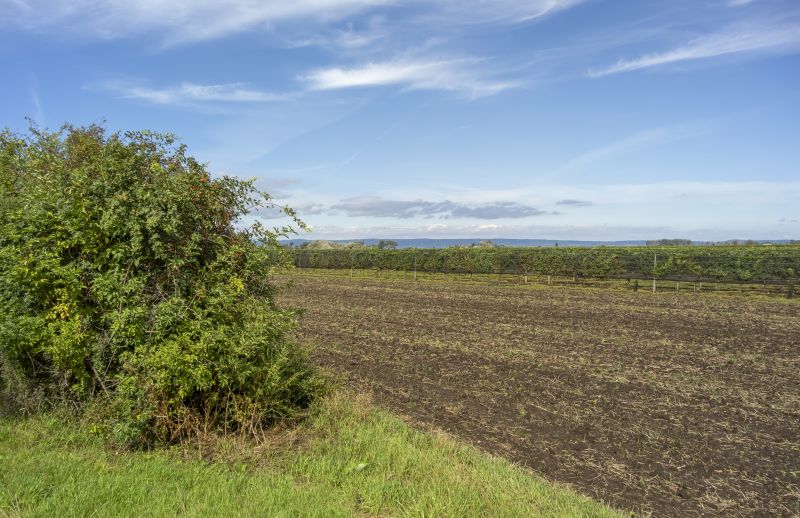
Full growth period, ideal for targeted clearing.
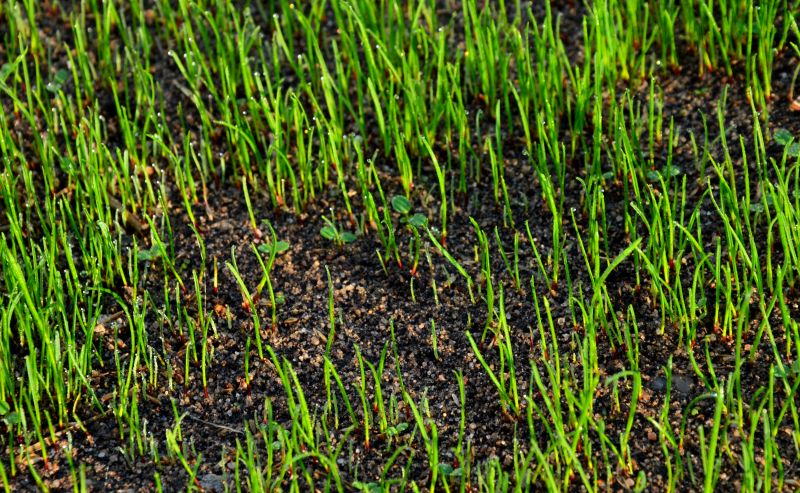
Vegetation in dormancy, easier to clear with minimal disturbance.

Ways to make Vegetation Clearings work in tight or awkward layouts.
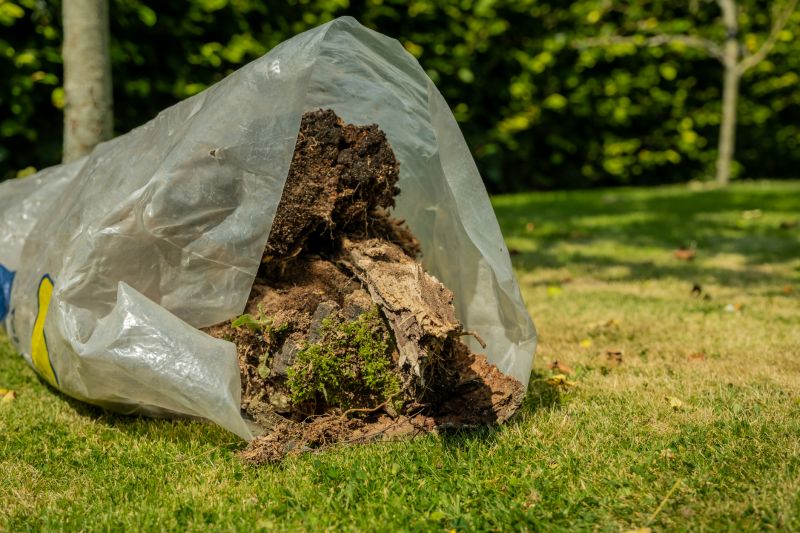
Popular materials for Vegetation Clearings and why they hold up over time.

Simple add-ons that improve Vegetation Clearings without blowing the budget.
| Season | Advantages |
|---|---|
| Spring | Vegetation is young, making removal easier and more effective. |
| Summer | Allows targeted clearing before seed dispersal. |
| Autumn | Prevents seed spread and reduces regrowth. |
| Winter | Dormant plants are easier to remove in cold climates. |
Vegetation clearings are a common practice in land management, used to control invasive species, prepare sites for development, or restore natural habitats. Timing plays a crucial role in ensuring the success of clearing operations. Properly scheduled clearings can minimize regrowth and reduce the need for repeated interventions. Data indicates that clearings performed during early growth phases result in 30% easier removal and 20% less regrowth over time.

Vegetation in early growth stage suitable for clearing.
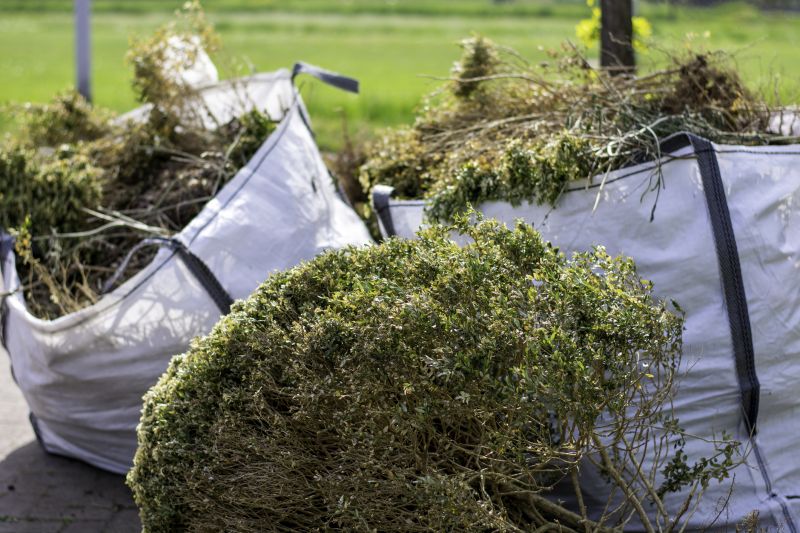
Full-grown vegetation ideal for targeted clearing.
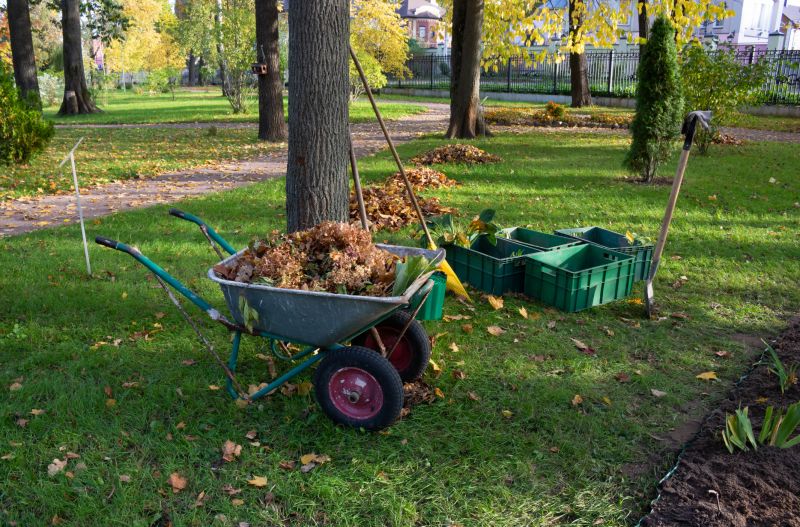
Time to prevent seed spread through clearing.
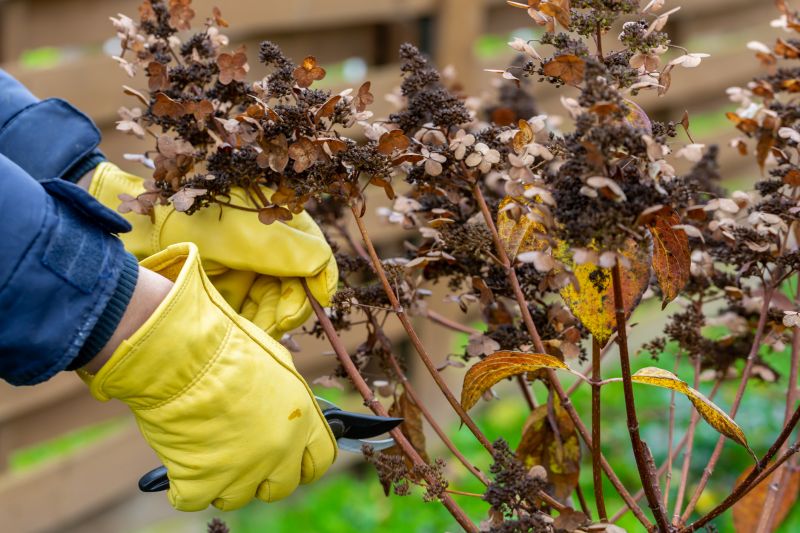
Vegetation in dormancy, easier to remove in cold weather.

High-end options that actually feel worth it for Vegetation Clearings.

Finishes and colors that play nicely with Vegetation Clearings.

Little measurements that prevent headaches on Vegetation Clearings day.

A 60-second routine that keeps Vegetation Clearings looking new.
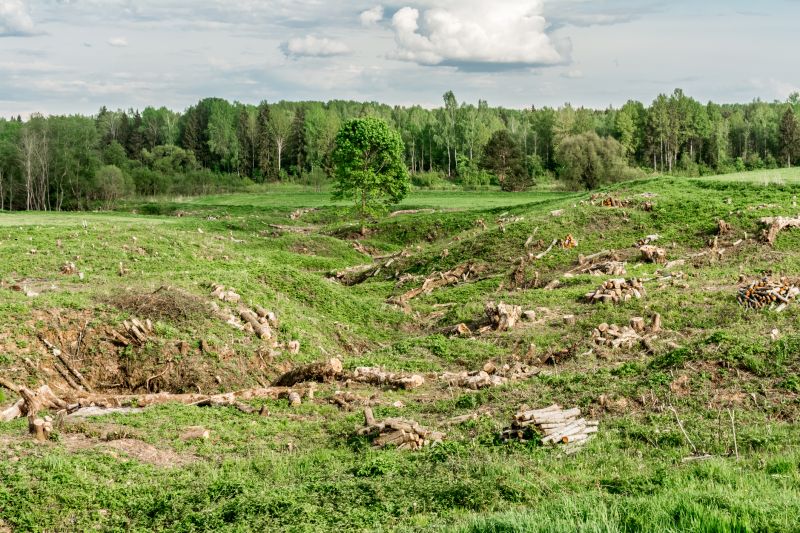
A frequent mistake in Vegetation Clearings and how to dodge it.

Small tweaks to make Vegetation Clearings safer and easier to use.

Lower-waste or water-saving choices for Vegetation Clearings.

The short, realistic tool list for quality Vegetation Clearings.
Interested parties are encouraged to contact for further information on scheduling vegetation clearings. Proper timing ensures more effective removal and helps maintain land health. Fill out the contact form to discuss options and timing tailored to specific site conditions.