Slope Clearing in Utah County, UT
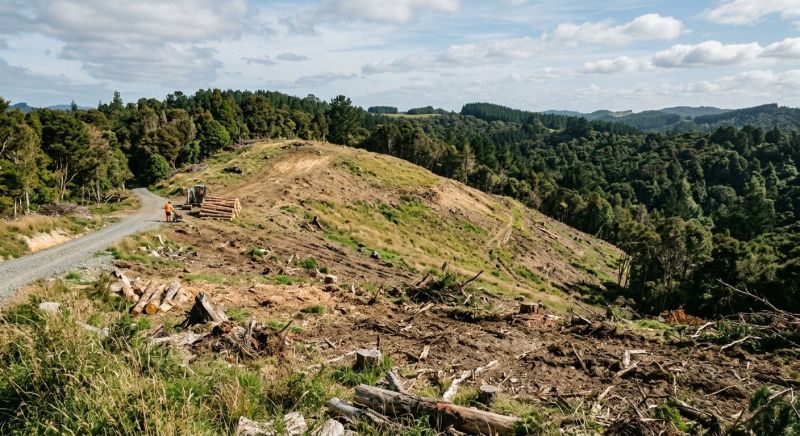
Slope clearing services involve removing overgrown vegetation, debris, and loose soil from hillside or sloped areas to improve safety, accessibility, and drainage. This type of work is commonly requested for projects such as preparing land for construction, creating level areas for landscaping or gardening, or reducing the risk of erosion and landslides. Property owners should consider the slope’s size, the type of terrain, and any existing vegetation before requesting services, as these factors influence the scope and approach of the clearing process.
Understanding the extent of the slope, including its steepness and the presence of rocks or trees, is important when planning for slope clearing. Homeowners often want to know about potential environmental impacts, the need for permits, and how the work might affect drainage or neighboring properties. Clear communication about project goals and site conditions can help ensure the clearing process meets safety standards and property needs effectively.
Many property owners in Utah County, UT look into Slope Clearing for repairs, replacements, upgrades, and appearance-related improvements.
Terrace And Slope Stabilization
Proper slope clearing helps prevent erosion and maintains landscape stability.
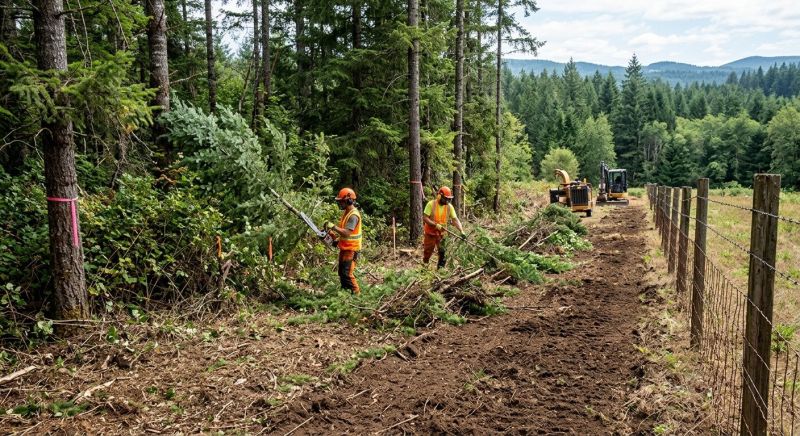
Driveway And Pathway Clearing
Clearing slopes ensures safe and accessible pathways around properties in utah county.
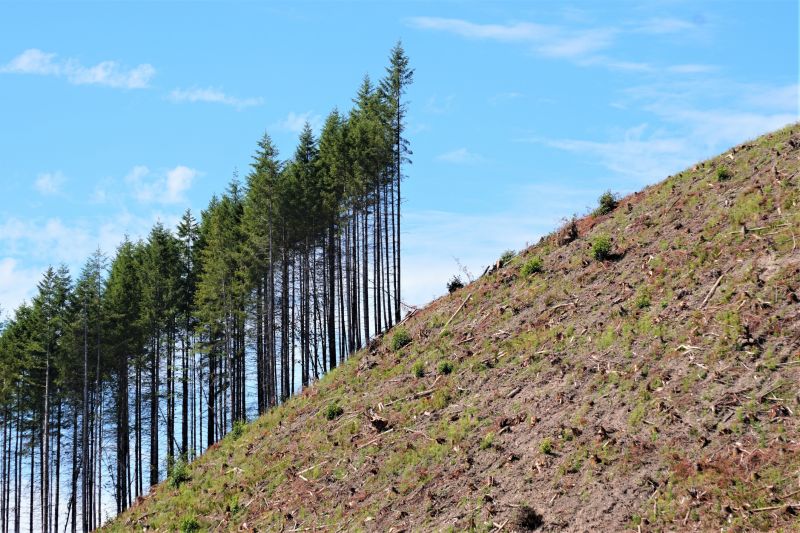
Fire Break And Safety Zones
Managing overgrown slopes reduces fire risk and creates defensible spaces for homes.
Slope Clearing in Utah County, UT
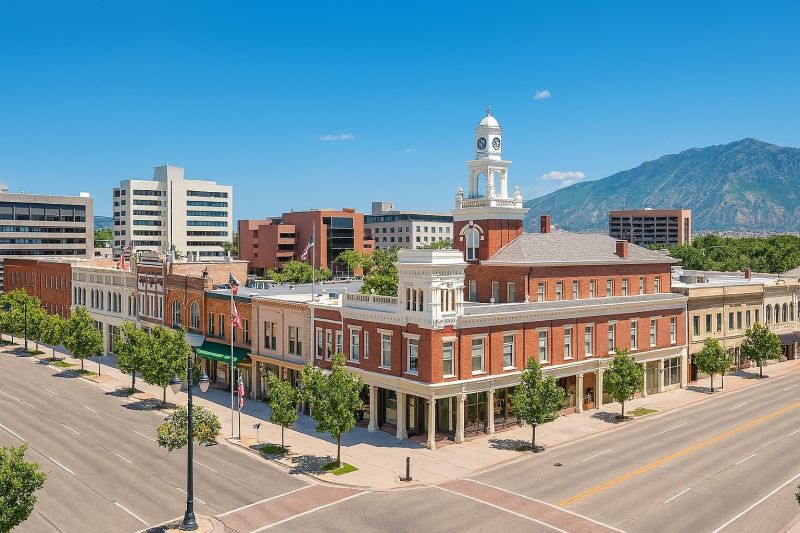
Slope clearing services involve removing overgrown vegetation, debris, and loose soil from hillside or sloped areas to improve safety, accessibility, and drainage. This type of work is commonly requested for projects such as preparing land for construction, creating level areas for landscaping or gardening, or reducing the risk of erosion and landslides. Property owners should consider the slope’s size, the type of terrain, and any existing vegetation before requesting services, as these factors influence the scope and approach of the clearing process.
Understanding the extent of the slope, including its steepness and the presence of rocks or trees, is important when planning for slope clearing. Homeowners often want to know about potential environmental impacts, the need for permits, and how the work might affect drainage or neighboring properties. Clear communication about project goals and site conditions can help ensure the clearing process meets safety standards and property needs effectively.
Many property owners in Utah County, UT look into Slope Clearing for repairs, replacements, upgrades, and appearance-related improvements.
Common Slope Clearing Jobs
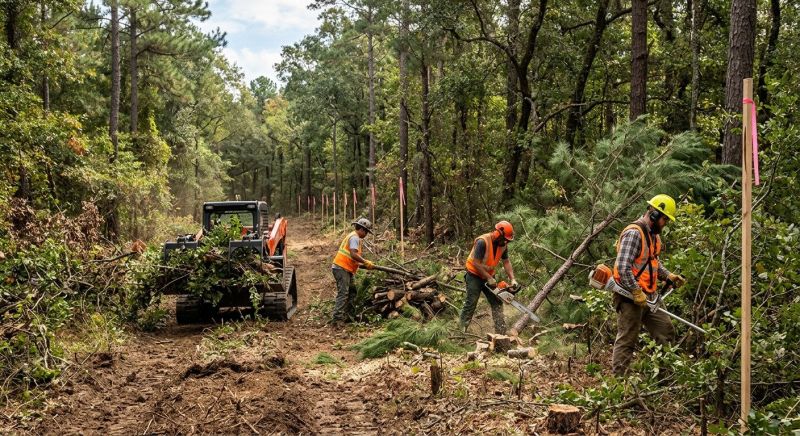
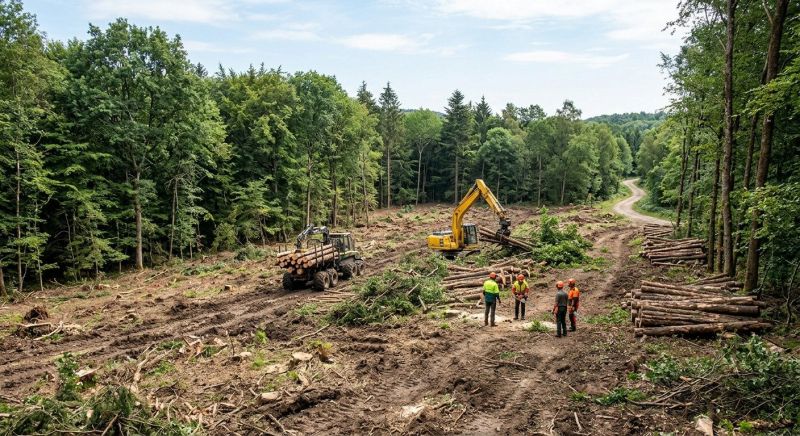
Slope clearing involves removing trees, brush, and debris to stabilize hillside properties.
Erosion control helps prevent soil loss and land degradation on sloped terrains.
Land grading levels uneven slopes to improve drainage and create usable outdoor space.
Hillside excavation prepares land for construction or landscaping projects on steep sites.
Drainage solutions install proper systems to manage water flow and reduce runoff issues.
Vegetation removal clears overgrown areas to enhance safety and property aesthetics.
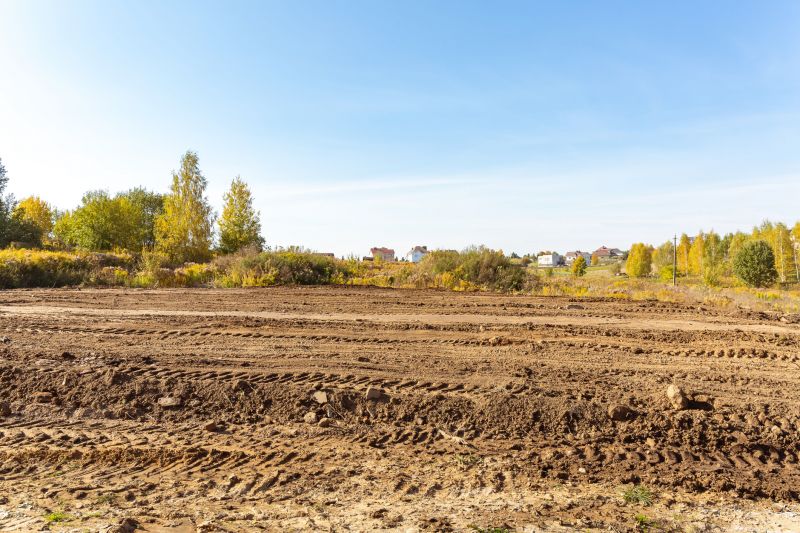
Slope Clearing Questions
What is slope clearing? Slope clearing involves removing trees, brush, and debris from hillside areas to improve stability and accessibility for property development or maintenance.
When is slope clearing needed? It is typically required before construction, landscaping, or erosion control to ensure safe and stable hillside conditions.
What types of projects require slope clearing? Projects such as building foundations, driveway installation, retaining walls, or land leveling often need slope clearing services.
What should property owners consider before slope clearing? It's important to assess the slope's condition, plan for proper drainage, and understand local regulations related to hillside work.
Request Slope Clearing in Utah County, UT
Use the quote form on this page to share the basics of your project and request more information for the type of work you need.